Business Name: BeeHive Homes of St George Snow Canyon
Address: 1542 W 1170 N, St. George, UT 84770
Phone: (435) 525-2183
BeeHive Homes of St George Snow Canyon
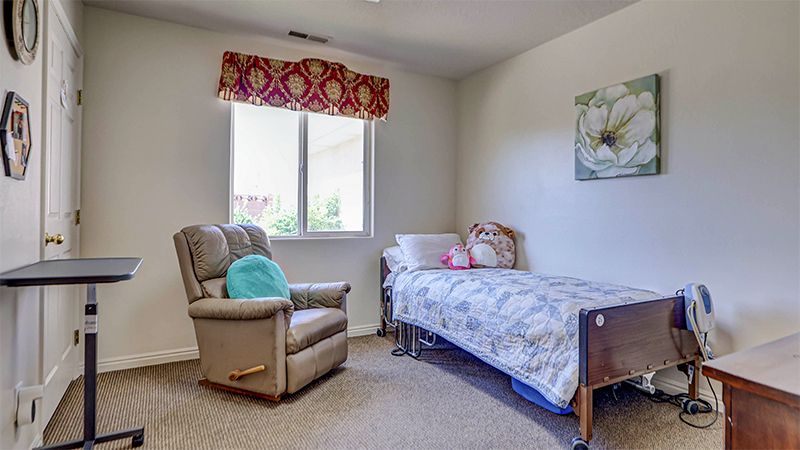
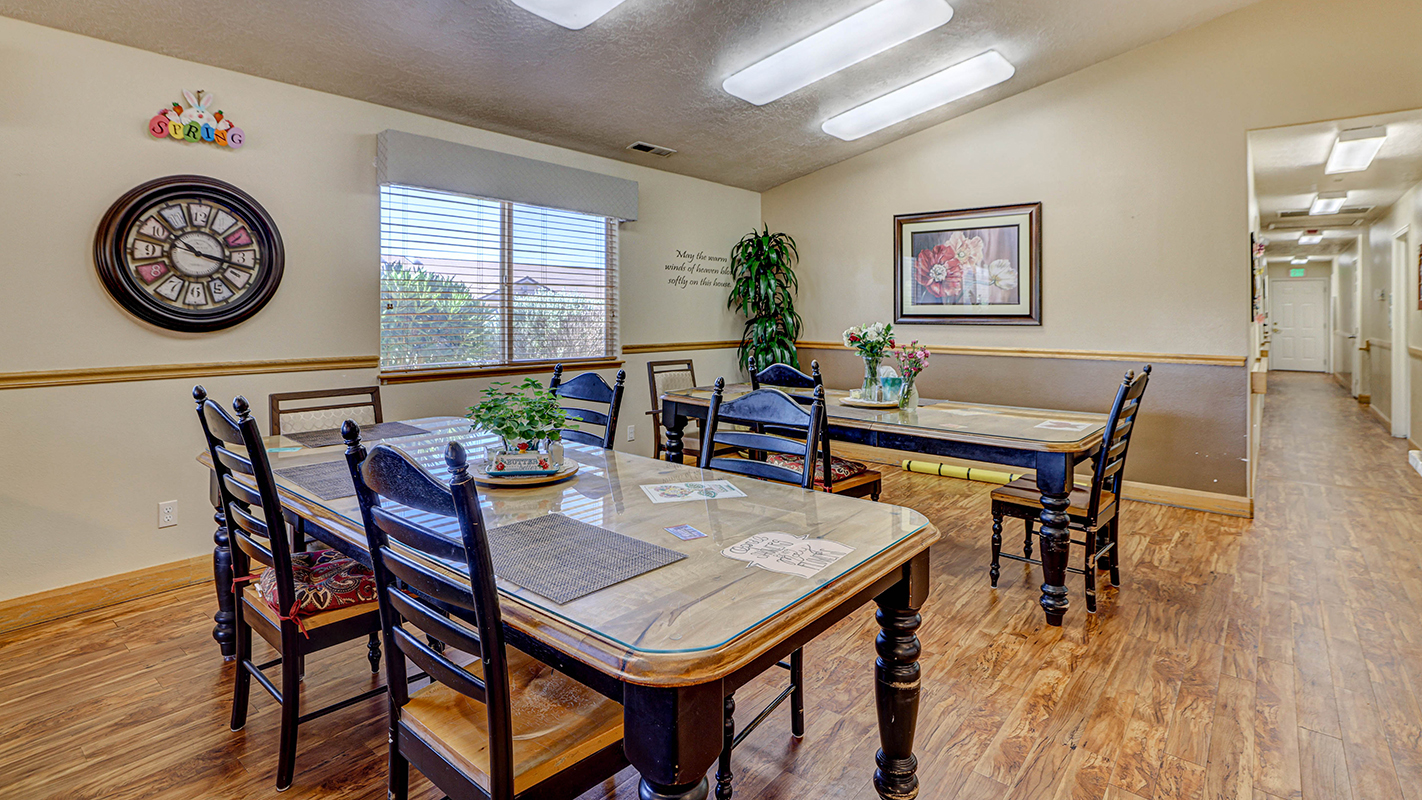
Located across the street from our Memory Care home, this level one facility is licensed for 13 residents. The more active residents enjoy the fact that the home is located near one of the popular community walking trails and is just a half block from a community park. The charming and cozy decor provide a homelike environment and there is usually something good cooking in the kitchen.
1542 W 1170 N, St. George, UT 84770
Business Hours
Monday thru Saturday: 9:00am to 5:00pm
Facebook: https://www.facebook.com/Beehivehomessnowcanyon/
Families seldom start taking a look at assisted living from a calm, leisurely location. More often it begins after a fall, a hospital stay, or a sluggish realization that a parent is no longer safe living alone. Emotions run hot, money feels tight, and the stakes are painfully high. You want your loved one safe, looked after, and respected, however you likewise do not want to threaten retirement savings or future care needs.
Balancing expense and quality is less about finding a perfect deal and more about making notified tradeoffs that fit your family's values, health realities, and monetary image. After years of dealing with households and centers in senior care, I have actually seen mindful, systematic choices settle, and I have likewise seen rushed decisions create tension and regret.
This guide walks through how expense and quality intersect in assisted living, and how to make choices that are both thoughtful and economically rational.
Why the expense versus quality stress feels so hard
Assisted living, respite care, and other forms of elderly care are not like purchasing a vehicle or picking a getaway. You are not simply buying a product. You are picking where an individual will awaken, eat, shower, and be helped through a few of the most vulnerable years of life.
Several aspects make choices around senior care particularly difficult:
First, pricing is complex. There is the base rent, then levels of care, medication management costs, incontinence materials, transport charges, and often additional charges for things you presumed were included.
Second, quality is tough to measure. Brochures reveal good furnishings and landscaped courtyards. None of that tells you whether the night shift answers call bells promptly or whether personnel turnover is constant.
Third, emotions run deep. Adult children might feel guilty cutting costs, even if the parent insists on frugality. Siblings typically disagree on what is "good enough."
Recognizing that the stress is typical can help you slow down and utilize a more structured method rather of responding simply from fear or guilt.
Understanding what you are in fact paying for
The primary step in stabilizing cost and quality is simply understanding the pieces of the costs. Numerous families focus on the monthly total without seeing how that number is built.
Types of senior living and what they really mean
The label on the structure matters less than the services it provides. A couple of typical models:
Assisted living generally provides help with activities of daily living such as bathing, dressing, toileting, and medication pointers in an apartment or condo or personal space setting. It is not a medical facility in the same way as a nursing home, but it is more helpful than independent senior housing.
Memory care is a customized kind of assisted living for individuals with dementia. Systems are typically protected, with structured regimens and personnel trained in dementia communication and habits assistance. These programs typically cost more because staffing requirements are higher.
Nursing homes or skilled nursing centers offer 24 hour nursing oversight and more extensive healthcare. These are suitable when somebody requires complex injury care, frequent monitoring, or rehabilitation after a serious hospitalization.
Respite care is short term senior care, frequently in an assisted living or memory care setting, that allows household caregivers a break. Remains might last a couple of days to a few weeks. Although respite care is short-term, the cost structure resembles long term stays when computed on a daily basis.
The trick is to match level of care to current requirements, while thinking ahead about the most likely trajectory. Spending for experienced nursing prematurely wastes resources. Choosing a facility that can not handle progressing dementia can require a pricey and disruptive relocation later.
Where the money actually goes
Most centers break expenses into a few classifications, even if they present it as one figure on a shiny flyer.
Base rent generally covers the apartment or condo or room, basic energies, constructing upkeep, and frequently housekeeping and basic laundry. Place, room size, and whether the system is personal or shared all influence this amount.
Care level fees are connected to just how much help your loved one requirements. A person who just requires pointers to shower two times a week will fall under a lower tier than somebody who requires hands on aid with transfers, toileting, and daily dressing. Facilities usually assess homeowners before relocation in and designate a "care level" that equates into a monthly fee.
Medication management fees cover personnel time to store, arrange, and administer medications. This might be a flat month-to-month charge or depend upon the number of medications and administration times per day.
Additional services can consist of transportation, salon visits, specialized activities, incontinence products, additional housekeeping, or cable television and internet bundles. These look small line by line, however they include up.
When you tour, ask to see a mock costs for somebody with comparable needs. That single page often informs you more about the genuine cost of assisted living than any brochure.
The main chauffeurs of expense, in plain language
It assists to have a brief list in mind when you compare prices from various communities.
Major expense motorists in assisted living:
- Location and real estate costs, particularly in city or high need suburbs Apartment type, such as studio versus one bed room, private versus shared Intensity of care needs, for instance help with one activity of daily living versus several Specialized programs, especially memory care or high acuity systems
If one community looks considerably cheaper, check those 4 locations initially. Typically the distinction comes from a smaller room, fewer care hours included, or a less intensive staffing model.
What "quality" actually implies in assisted living
Quality is not the waterfall in the lobby or the variety of meals on the menu. Those are amenities, and while they may matter for comfort, they are not the core of safe, dignified elderly care.
Over time, the elements that matter most fall into a couple of categories.
Staff stability and staffing levels
Ask any knowledgeable geriatric nurse what matters most and you will hear some version of: personnel who know the residents and have time to care.
Facilities seldom market staff to resident ratios in huge print, however you can ask. Ratios vary between day and night shifts and between assisted living and memory care. A neighborhood that looks modest but has stable, long term caregivers who know residents deeply frequently supplies much better senior care than a high-end property with continuous agency staff and regular turnover.
Look for small however informing information. Are staff calling homeowners by name without examining charts? Do you see the exact same faces throughout several visits, or totally different people each time? Do assistants seem rushed and stressed, or do they have a few minutes to chat with residents?
Higher staffing levels cost money. Communities that keep staffing at bare minimums can provide lower rates, however the tradeoff normally shows up as slower call response times, less one on one attention, and more dependence on households to fill gaps.
Training and medical oversight
Most assisted living settings are social and encouraging rather than medical, however you still want some scientific backbone.
Ask who supervises resident care strategies. Exists a registered nurse on site during the day? On call in the evening? How typically are citizens reassessed? How are changes in condition interacted to families and physicians?
Better quality facilities buy ongoing staff training, especially in areas like dementia care, fall avoidance, and safe transfers. Training needs money and time, however it settles in less preventable hospitalizations and a calmer, more foreseeable environment.
Culture you can feel, not simply read about
Culture is tough to phony. Throughout a tour, you can often pick up whether homeowners feel comfortable or managed.
Watch how personnel talk with homeowners. Are they speaking with the individual directly, or just to accompanying household? Do they flex down to eye level, or talk over somebody in a wheelchair? Do homeowners look taken part in activities, or parked in front of a television?
Quality culture shows up in how the center handles small everyday aggravations. For example, if a resident refuses a shower, do staff treat it as a challenging habits to "repair," or as a cue to try once again later on with a different approach?

Higher quality culture does not constantly indicate granite counter tops. Some of the most gentle assisted living communities sit in older structures with modest furnishings, yet treat citizens with deep respect. Those are often the locations where your cash purchases actual care rather than appearances.
Mapping quality top priorities to your budget
Very few families have unrestricted resources. That implies you should choose where to invest and where you are willing to compromise.
A beneficial technique is to determine your "non negotiables" and your "nice to haves." Non negotiables normally touch security, dignity, and essential convenience. Nice to haves relate more to looks and extras.
Common non negotiables:
Resident safety, especially fall risk management and medication accuracy.
Respectful, individual centered care. No tolerance for rough handling or demeaning language.
Reasonable staffing, specifically on evenings and nights, when less supervisors are viewing.
Ability to handle expected health modifications over the next few years, so you do not have to move your loved one repeatedly.
Common "good to haves" that people sometimes pay too much for:
Brand brand-new construction, high end finishes, or remarkable lobbies.
Extensive activity calendars that look excellent on paper however are lightly participated in.
Multiple dining establishment style dining locations instead of one well run dining room.
Private homes larger than your loved one genuinely requires or will use.
Once you are clear that, for instance, steady caregiving personnel matter more than a pool or a theater room, it ends up being simpler to ignore flashy but shallow options.
Assessing your monetary reality without wishful thinking
Before you visit many communities, map out what you can realistically manage for assisted living over numerous years, not just the first couple of months.
Start with existing income: Social Security, pensions, annuities, rental income, and any part time work.
Then look at properties: savings, financial investments, home equity, life insurance coverage with cash worth, and long term care insurance coverage if it exists.
Estimate a likely timeframe. People frequently ignore for how long they may need senior care. While individual circumstances differ, numerous locals invest three to 5 years in assisted living or memory care. Some stay much longer.
Factor in future health escalation. Expenses frequently increase with care needs. If your parent is quite independent today, however has progressive dementia or a persistent condition, assume their level of care charges will increase with time.
Do not forget the well spouse. If one spouse is moving into assisted living while the other remains in your home, make sure you are safeguarding enough earnings and properties for the spouse who is not entering care.
This exercise is seldom comfy, but it avoids unpleasant surprises later on, such as understanding you can not sustain a chosen facility when care needs and fees increase.
Using respite care as a trial run
Respite care can be a tactical tool, not just an emergency situation patch.
If you feel unsure whether your loved one will adapt to communal living, setting up a short-term stay of a week or two in an assisted living community provides a real test. You will learn how staff actually operate on an ordinary Tuesday, not just the day of a sleek tour.
Respite stays normally cost more per day than a long term contract, but the information you get can avoid a costly misstep. You will see how your loved one responds to the environment, whether they participate in activities, and how staff deal with individual regimens such as bathing and toileting.
Some households turn respite care at different neighborhoods to compare quality before devoting. For those providing intense hands on care at home, respite likewise offers much required rest, which assists you make clearer decisions.
What to try to find during tours, beyond the brochure
A facility tour is a bit like an open house when you buy a home. You are seeing a staged version of reality. Your job is to look past the staging.
Try to visit at different times of day. Late afternoon, in some cases called "sundowning" time for individuals with dementia, exposes how staff handle agitation or tiredness. Early nights show you staffing on dinner service and shift changes.
Pay attention to smells, however not in the shallow sense. Periodic smells happen anywhere handling incontinence. The concern is how personnel respond. A relentless, heavy odor that never ever alters suggests chronic understaffing or bad routines.
Watch call lights and staff reaction. The length of time do call lights remain on before someone answers? Are personnel walking briskly with function or sprinting in continuous crisis mode?
Listen for how personnel speak about residents when they believe you are not listening thoroughly. Do they describe individuals as "hard" and "wanderers," or as people with histories and preferences?
Key questions to ask on a tour
Use a small set of pointed questions rather of a long checklist that tires everybody. The goal is to uncover how the location truly works day to day.
- How do you decide what level of care a resident needs, and how typically do you reassess that level? What is your common staff to resident ratio on days, evenings, and nights, and how do you handle call outs? When a resident's requirements increase, what kinds of changes can you accommodate here, and what would force a transfer to another setting? How do you communicate with families about health modifications, falls, or behavior issues, and how quickly? What does a typical day look like for someone with my loved one's capabilities and interests, not simply what is on the official activity calendar?
Take notes instantly later while your impressions are fresh. Over numerous trips, patterns will emerge.
Where you can fairly save money without sacrificing safety
Families are typically surprised to find out that specific expense conserving choices do not always harm quality of care.
Room size is among the simplest levers. Many older adults moving into assisted living no longer need or use big areas. A smaller studio house or a shared suite can lower regular monthly expenses significantly without affecting care quality, as long as there is sufficient personal privacy and comfort.
Location within the structure can impact rate. Ground floor or non view units often cost less. For some residents, being closer to the dining room or activity center matters more than having a scenic view.
Amenities you can live without are another area. If your loved one does not swim, a pool does not justify a greater rate. If they choose peaceful reading to huge getaways, you might not need a facility that prides itself on continuous group trips.
There are likewise situations where a somewhat older, less attractive home run by an objective driven operator delivers excellent care at a lower rate than a brand new luxury development. Do not relate newness with quality.
Where you need to not cut corners
On the other hand, there are locations where jeopardizing strictly for price tends to backfire.
Chronic understaffing leads straight to missed out on care, delayed toileting, more falls, and higher frustration for residents and families. A community that can not fill assisted living near me beehivehomes.com shifts or relies heavily on company personnel may appear as a bargain on paper, but the hidden expenses surface later as medical crises and family burnout.
Facilities that can not manage dementia related behaviors, or that absence protected memory care, can rapidly ask you to hire personal aides at your own expense or to move your loved one after an event. The tension and additional cost of an urgent transfer usually eclipse any early savings.
Contract terms that permit regular, unpredictable cost walkings likewise are worthy of care. Modest yearly increases to equal salaries and inflation are normal. Open ended language that permits midyear boosts with little notification can strain your budget.
If a lower expense option compromises safety, dignity, or the ability to stay through expected health changes, the evident cost savings frequently evaporate over time.
Reading the agreement like a skeptic
By the time you receive an agreement, lots of families feel mentally committed. Attempt to pause and read it as if you were recommending a stranger.
Focus on:
How care levels and associated charges are specified, including who decides when a level changes.
What is included in the base rate, and which services are billed individually. Pay attention to laundry, transport, and medication management.
Policies on rate boosts, both yearly and mid contract. Request for examples of previous boosts over the last 5 years.
Notice and charges for moving out, whether voluntary or due to altering needs.
Rules about personal caretakers. Some communities allow you to generate outside aides, others limit this or charge additional coordination fees.
If the contract feels vague where cash is worried, ask for composed explanation. Spoken guarantees, no matter how kind the administrator sounds, will not assist you in a dispute.
Making various options for various household members
Within the same family, the ideal balance of cost and quality can look very different for each person.
A reasonably healthy 78 year old who requires mild oversight, medication tips, and social connection might flourish in a moderately priced assisted living neighborhood with strong activities and a solid, if standard, care design. For that individual, paying additional for comprehensive medical abilities may not be the best use of funds.
An 88 year old with sophisticated heart failure, diabetes, and a history of falls has a various threat profile. For them, you might focus on a center with stronger medical oversight and higher staffing, even if that implies a smaller apartment or a less luxurious setting.
Spouses frequently present complex tradeoffs. Sometimes the healthier partner relocations into assisted living with the frailer one to remain together, although their needs differ. In those cases, weighing the additional cost of a 2 person apartment or condo versus the emotional and practical benefits becomes a deeply personal decision.
There is no single right response, but being specific about your reasoning assists avoid future conflict amongst siblings and relatives.
Using outdoors proficiency without losing control
Financial organizers, geriatric care managers, hospital social employees, and elder law lawyers can all help you make much better choices, specifically in complex situations.
A geriatric care manager, for example, can accompany you on tours, ask sharper concerns, and provide an independent view of quality. They cost money, but sometimes conserve you from more costly mistakes.
An elder law lawyer can discuss how assisted living communicates with Medicaid eligibility in your state, assistance secure a partner in your home, and prepare files like powers of attorney, which simplify medical and financial choice making later.
Use professionals as advisors, not decision makers. They can lay out alternatives, however your household's worths and finances still guide the last choice.
Accepting that excellence is not the goal
Families frequently bring unrealistic expectations into assisted living choices. They hope for round the clock one on one attention, instant call actions, premium meals, and endless activities, all at a manageable rate. No facility, at any expense, meets all of those suitables all the time.
What you can aim for is a good enough fit: a place where your loved one is safe, cured kindly, and able to live as separately as possible within their capabilities, while your household can pay for the look after the long haul.
Balancing cost and quality suggests making peace with tradeoffs. You may select a smaller space in a community with excellent caretakers. You may accept older furnishings in exchange for a strong memory care program. You may prioritize foreseeable prices over elegant amenities.
If, months later on, your loved one is calmly reading in a bright chair, chatting with personnel who know their preferred dessert, and you have the ability to sleep during the night without constant worry, then your careful balancing of expense and quality has actually done its job.
BeeHive Homes of St George Snow Canyon provides assisted living care
BeeHive Homes of St George Snow Canyon provides memory care services
BeeHive Homes of St George Snow Canyon provides respite care services
BeeHive Homes of St George Snow Canyon offers 24-hour support from professional caregivers
BeeHive Homes of St George Snow Canyon offers private bedrooms with private bathrooms
BeeHive Homes of St George Snow Canyon provides medication monitoring and documentation
BeeHive Homes of St George Snow Canyon serves dietitian-approved meals
BeeHive Homes of St George Snow Canyon provides housekeeping services
BeeHive Homes of St George Snow Canyon provides laundry services
BeeHive Homes of St George Snow Canyon offers community dining and social engagement activities
BeeHive Homes of St George Snow Canyon features life enrichment activities
BeeHive Homes of St George Snow Canyon supports personal care assistance during meals and daily routines
BeeHive Homes of St George Snow Canyon promotes frequent physical and mental exercise opportunities
BeeHive Homes of St George Snow Canyon provides a home-like residential enviroMOent
BeeHive Homes of St George Snow Canyon creates customized care plans as residents’ needs change
BeeHive Homes of St George Snow Canyon assesses individual resident care needs
BeeHive Homes of St George Snow Canyon accepts private pay and long-term care insurance
BeeHive Homes of St George Snow Canyon assists qualified veterans with Aid and Attendance benefits
BeeHive Homes of St George Snow Canyon encourages meaningful resident-to-staff relationships
BeeHive Homes of St George Snow Canyon delivers compassionate, attentive senior care focused on dignity and comfort
BeeHive Homes of St George Snow Canyon has a phone number of (435) 525-2183
BeeHive Homes of St George Snow Canyon has an address of 1542 W 1170 N, St. George, UT 84770
BeeHive Homes of St George Snow Canyon has a website https://beehivehomes.com/locations/st-george-snow-canyon/
BeeHive Homes of St George Snow Canyon has Google Maps listing https://maps.app.goo.gl/uJrsa7GsE5G5yu3M6
BeeHive Homes of St George Snow Canyon has Facebook page https://www.facebook.com/Beehivehomessnowcanyon/
BeeHive Homes of St George Snow Canyon won Top Assisted Living Homes 2025
BeeHive Homes of St George Snow Canyon earned Best Customer Service Award 2024
BeeHive Homes of St George Snow Canyon placed 1st for Senior Living Communities 2025
People Also Ask about BeeHive Homes of St George Snow Canyon
How much does assisted living cost at BeeHive Homes of St. George, and what is included?
At BeeHive Homes of St. George – Snow Canyon, assisted living rates begin at $4,400 per month. Our Memory Care home offers shared rooms at $4,500 and private rooms at $5,000. All pricing is all-inclusive, covering home-cooked meals, snacks, utilities, DirecTV, medication management, biannual nursing assessments, and daily personal care. Families are only responsible for pharmacy bills, incontinence supplies, personal snacks or sodas, and transportation to medical appointments if needed.
Can residents stay in BeeHive Homes of St George Snow Canyon until the end of their life?
Yes. Many residents remain with us through the end of life, supported by local home health and hospice providers. While we are not a skilled nursing facility, our caregivers work closely with hospice to ensure each resident receives comfort, dignity, and compassionate care. Our goal is for residents to remain in the familiar surroundings of our Snow Canyon or Memory Care home, surrounded by staff and friends who have become family.
Does BeeHive Homes of St George Snow Canyon have a nurse on staff?
Our homes do not employ a full-time nurse on-site, but each has access to a consulting nurse who is available around the clock. Should additional medical care be needed, a physician may order home health or hospice services directly into our homes. This approach allows us to provide personalized support while ensuring residents always have access to medical expertise.
Do you accept Medicaid or state-funded programs?
Yes. BeeHive Homes of St. George participates in Utah’s New Choices Waiver Program and accepts the Aging Waiver for respite care. Both require prior authorization, and we are happy to guide families through the process.
Do we have couple’s rooms available?
Yes. Couples are welcome in our larger suites, which feature private full baths. This allows spouses to remain together while still receiving the daily support and care they need.
Where is BeeHive Homes of St George Snow Canyon located?
BeeHive Homes of St George Snow Canyon is conveniently located at 1542 W 1170 N, St. George, UT 84770. You can easily find directions on Google Maps or call at (435) 525-2183 Monday through Sunday 9:00am to 5:00pm
How can I contact BeeHive Homes of St George Snow Canyon?
You can contact BeeHive Homes of St George Snow Canyon by phone at: (435) 525-2183, visit their website at https://beehivehomes.com/locations/st-george-snow-canyon, or connect on social media via Facebook
You might take a short drive to the Painted Pony Restaurant. Painted Pony Restaurant provides an upscale yet calm dining experience suitable for seniors receiving assisted living or memory care as part of senior care and respite care outings